
Tools
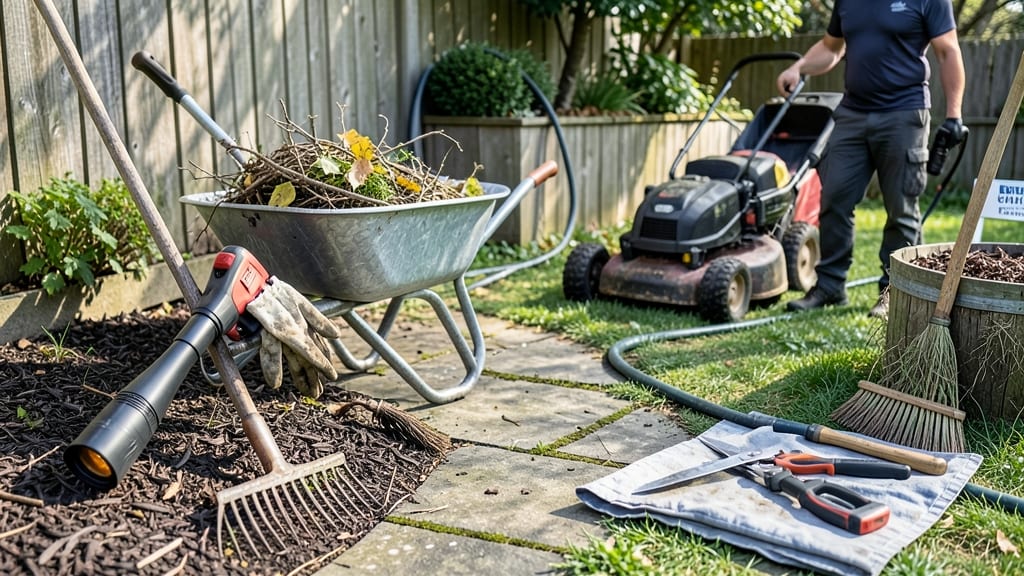
Garden cleaning services transform outdoor spaces by clearing debris, pruning overgrown plants, and maintaining tools—opt for providers that prioritize eco-friendly methods and clear pricing to keep your garden thriving long-term.
These services go beyond basic tidying—they focus on plant health by removing dead foliage that can harbor pests or diseases. 🌿 Many providers also offer seasonal deep-cleaning packages that include mulching and soil aeration, which improve drainage and nutrient absorption.
I’ve seen gardens that looked neglected bloom back to life after just one professional cleaning session, proving how much a difference regular maintenance makes.
What sets top-tier providers apart is their attention to detail, like using biodegradable cleaners instead of harsh chemicals that could harm beneficial insects or soil microbes. Always ask about their approach to sustainability—some even offer composting services for garden waste, turning debris into valuable fertilizer for your yard.
💡 In This Article
- Key Services Offered by Professional Garden Cleaners
- How to Vet Garden Cleaning Companies for Quality
Key services offered by professional garden cleaners
Professional garden cleaners perform specialized tasks that go far beyond basic yard work.
At the core, they focus on leaf removal—a critical service that prevents fungal diseases like black spot on roses or powdery mildew on vegetables. 🌿 A single thick layer of fallen leaves can trap moisture, creating ideal conditions for pathogens.
For example, a 100-square-foot garden might accumulate 5-10 pounds of leaves annually, which requires strategic removal to maintain airflow around plants.
Pruning is another essential service that extends plant longevity by removing dead or diseased branches. Skilled cleaners use sharp tools to make clean cuts at the right angles, which prevents tear injuries that expose plants to infections. 🌱 The science here involves understanding plant biology—cutting too close to the trunk can damage the cambium layer, while leaving too much stub can lead to rot. For instance, shrubs like hydrangeas benefit from pruning in late winter when they're dormant, allowing them to focus energy on new growth rather than repairing damaged tissue.
Many providers also offer mulching, which isn't just about aesthetics—it's a soil health strategy.
Organic mulch like wood chips breaks down over time, adding 1-2 inches of nutrient-rich material to the soil annually while suppressing weeds. 🌿 This process improves soil structure by increasing porosity, which enhances water retention and root development.
For example, a well-mulched garden bed can maintain moisture 30-50% longer than one without mulch during dry spells, reducing the need for irrigation.
Equipment sanitization is often overlooked but crucial for preventing cross-contamination.
Cleaners disinfect tools between jobs using 70% isopropyl alcohol or vinegar solutions, which kill 99.9% of bacteria and fungi on metal surfaces. 🧼 This step is particularly important when moving between gardens with different plant health histories—what might seem like a minor task prevents the spread of diseases like fire blight or verticillium wilt that can devastate entire landscapes.
Seasonal deep-cleaning packages often include soil aeration, a process that uses specialized tools to create small holes in compacted soil.
This improves drainage and allows roots to access nutrients more efficiently. 🌱 For example, lawns with thatch layers thicker than ½ inch often suffer from poor water penetration, leading to brown patches.
Aeration can increase soil oxygen levels by up to 40%, promoting healthier root systems and reducing the need for chemical fertilizers.
What sets premium providers apart is their ability to customize services based on your garden's specific needs. For instance, a vegetable garden might require more frequent leaf removal to prevent slug infestations, while an ornamental garden could benefit from specialized pruning techniques like espalier training for fruit trees.
Always ask about their approach to integrated pest management—top providers use natural predators like ladybugs or beneficial nematodes instead of chemical pesticides that harm pollinators and soil ecosystems.