
Shrubs
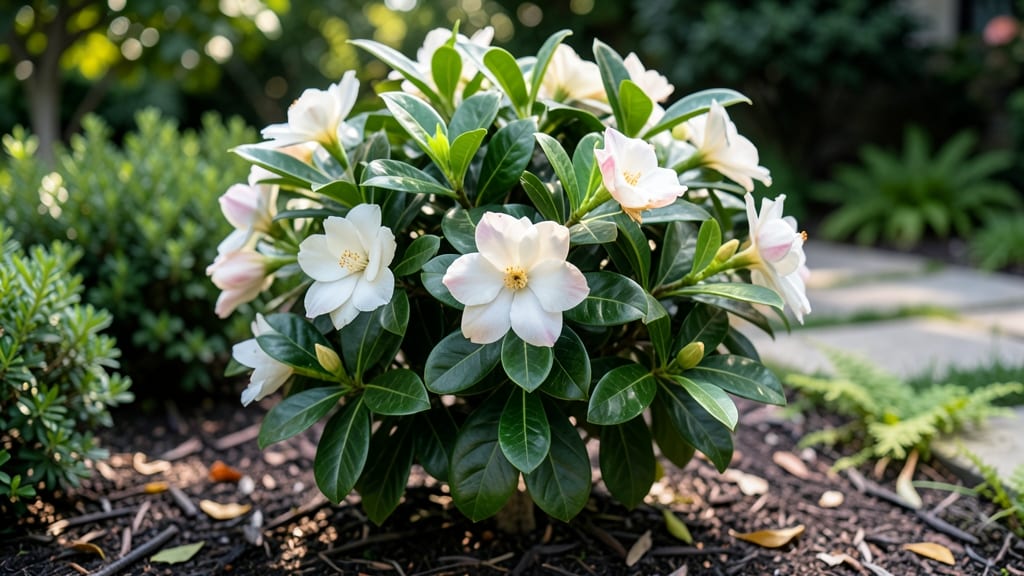
A full grown gardenia 🌸 thrives with the right balance of light, water, and patience—but many gardeners miss the mark on care, leading to sparse blooms or yellowing leaves.
Picture this: your gardenia stands tall, its glossy leaves a deep green, and its white flowers perfume the air with a sweet, intoxicating scent. That’s the vision, but achieving it means understanding its unique needs—like acidic soil, consistent moisture, and strategic pruning.
In this guide, I’ll walk you through everything from identifying your mature gardenia to keeping it healthy year-round, including seasonal adjustments and troubleshooting common issues so you can enjoy its beauty for decades.
Whether you’re dealing with powdery mildew or struggling to get those fragrant blooms, you’ll find out exactly what your gardenia needs to stay lush, vibrant, and full of life.
How to identify and care for a mature gardenia plant
A full grown gardenia stands as a stunning centerpiece in any garden, boasting glossy, deep green leaves and clusters of highly fragrant white blooms. When mature, these shrubs typically reach 4 to 6 feet tall and wide, with a dense, rounded growth habit.
Their leathery leaves (2-4 inches long) and creamy white flowers (2-3 inches wide) make them instantly recognizable.
Identifying a mature gardenia isn't just about size—it's about the distinctive characteristics that set it apart. The intense citrusy fragrance of its blooms is unmistakable, especially in the early morning hours.
These plants thrive in USDA zones 6-10, making them perfect for warm climates or protected outdoor spaces in cooler regions.
| Characteristic | Details | Care Tip |
|---|---|---|
| Mature Height | 4-6 feet | Prune annually to maintain shape |
| Leaf Shape | Oval, glossy, 2-4 inches | Wipe leaves with damp cloth monthly |
| Bloom Cycle | Spring to fall (peak summer) | Deadhead spent blooms regularly |
| Sunlight Needs | Partial shade (4-6 hours sun) | Avoid harsh afternoon sun |
| Soil pH | Acidic (5.0-6.5) | Test soil annually and amend with peat moss |
For optimal gardenia care, focus first on watering consistency. These plants love moisture but hate soggy roots. Water deeply every 3-5 days during growing season, ensuring the top 2 inches of soil stay moist but not waterlogged.
In containers, watering needs increase—check soil moisture daily in summer.
Sunlight requirements are crucial for healthy blooming. While gardenias tolerate partial shade, they need at least 4-6 hours of morning sun daily. In hot climates, afternoon shade is essential to prevent leaf scorch. If growing indoors, place near an east-facing window for ideal light exposure.
The soil mix plays a vital role in gardenia health. These plants thrive in well-draining, acidic soil with a pH between 5.0-6.5. Amend your garden soil with peat moss or pine bark to maintain proper acidity.
For container plants, use a mix of 50% peat moss, 30% perlite, and 20% compost.
Seasonal adjustments are key to year-round care. During spring and summer, focus on regular watering and feeding every 4-6 weeks with a balanced 10-10-10 fertilizer. In fall, reduce watering and stop fertilizing to prepare the plant for winter dormancy.
Winter care involves minimal watering (every 2 weeks) and protecting from frost below 20°F.
Pruning should be done after flowering season (late fall or early spring) to shape the plant and encourage new growth. Remove dead or diseased branches first, then trim back overgrown stems by about one-third.
Avoid heavy pruning in summer, as this can reduce next year's bloom production.
Common challenges with mature gardenias include yellowing leaves (often from overwatering or poor drainage) and bud drop (usually caused by low humidity or temperature fluctuations).
To combat these, maintain consistent moisture levels and use a humidifier nearby during dry indoor conditions. Regular foliar sprays can also help maintain leaf health.
With proper care, your full grown gardenia will reward you with abundant blooms and intoxicating fragrance for years. The key is consistency—whether it's watering, sunlight, or seasonal adjustments. When you master these elements, you'll have a show-stopping garden centerpiece that's the envy of the neighborhood. 🌸
Disease prevention and pruning techniques for healthy blooms
A full grown gardenia thrives when you combine proactive disease prevention with strategic pruning techniques. These two practices work together to create an environment where your gardenia can produce abundant, fragrant blooms while maintaining a healthy structure.
Let's explore the essential steps to keep your gardenia looking its best year-round.
First, understanding the common diseases that affect gardenias is crucial. Powdery mildew and root rot are the most frequent culprits. Both can drastically reduce your plant's ability to flower and grow. The good news? With the right approach, you can prevent these issues before they start.
🚨 Warning: Overwatering and Poor Airflow
A full grown gardenia is particularly vulnerable to root rot when overwatered. Powdery mildew thrives in humid, stagnant air. To prevent these issues:
- Ensure well-draining soil with a pH between 5.0-6.5
- Water only when top 1-2 inches of soil are dry
- Space plants 3-4 feet apart for proper airflow
- Avoid overhead watering to prevent fungal spores from settling on leaves
When it comes to pruning techniques, timing is everything. The best time to prune your full grown gardenia is right after flowering, typically in late spring or early summer.
This allows you to shape the plant while avoiding the risk of removing next year's flower buds, which form on old wood.
Start by removing dead, diseased, or crossing branches first. Use clean, sharp pruners to make cuts at a 45-degree angle, about 1/4 inch above a leaf node.
This encourages healthy regrowth and prevents water from pooling on the cut. Next, thin out the center of the plant to improve air circulation and sunlight penetration.
For encouraging more blooms, focus on light pruning rather than heavy cutting. Remove only 1/3 of the oldest growth to maintain the plant's shape while stimulating new growth. Avoid pruning in fall or winter, as this can stress the plant and reduce next year's flowering potential.
After pruning, apply a balanced fertilizer (like 10-10-10) to support new growth. Pair this with regular mulching to retain moisture and suppress weeds. With consistent care, your full grown gardenia will reward you with lush foliage and fragrant blooms for years to come.
Remember, the key to healthy blooms is consistency. Combine proper pruning with disease prevention and your gardenia will thrive, filling your garden with its signature sweet fragrance.