
Light Requirements
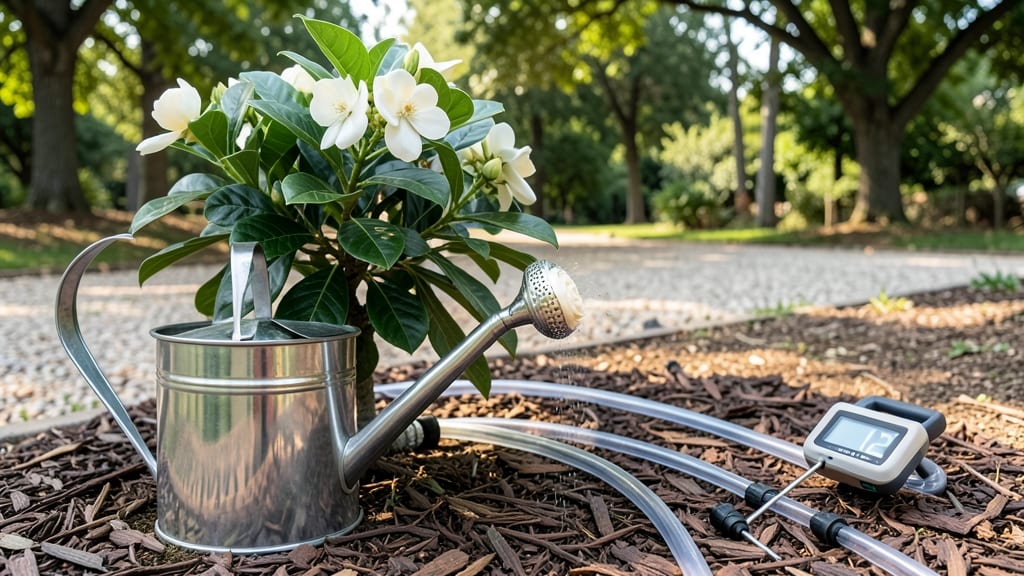
Do gardenias need a lot of water? The answer is yes—but finding the sweet spot between too much and just enough is the key to those signature fragrant blooms. Unlike drought-tolerant plants, gardenias demand steady moisture, but soggy soil is just as deadly.
Struggling to keep your gardenias blooming? The answer might lie in their water needs—too much or too little can spell disaster for these fragrant favorites. In USDA Zone 6a, where spring planting kicks off in April, your watering schedule should shift with the seasons.
While summer heat may call for daily soaks, winter’s chill slows evaporation, so you can ease up to every 10 days.
Here’s what you’ll discover: how to read your gardenia’s thirst cues, the best times to water, and why mulch is your secret weapon for keeping roots happy without the guesswork.
How much water gardenias really need (and when to adjust)
Gardenias thrive when their soil stays consistently moist but never soggy. These tropical beauties demand regular hydration—about 1-2 gallons of water every 2-3 days during peak growing months. However, their needs shift dramatically with seasonal changes and local climate.
In humid regions like Florida, you might water daily, while drier climates like Arizona require deeper, less frequent watering to prevent evaporation.
Understanding the signs of thirst and overwatering is key. Drooping leaves or crispy edges signal drought stress, while yellowing foliage or mushy stems scream root rot.
The secret lies in balancing moisture without drowning your gardenia—think of it like giving your plant a luxurious spa treatment, not a swampy bath.
Your gardenia's watering schedule should adapt to temperature swings. In summer, I water mine early in the morning to prevent fungal issues from evening moisture. During winter, I cut back to bi-weekly watering unless we're in a frost-free zone.
Always check the top 2 inches of soil—if it's dry, it's time to water.
Mulching plays a crucial role in moisture retention. A 3-inch layer of organic mulch (like pine bark) around the base helps lock in moisture while keeping roots cool.
This reduces evaporation by up to 40% during hot spells. Just remember to keep mulch 2 inches away from the trunk to prevent rot.
For gardenias in containers, drainage is non-negotiable. I use pots with bottom drainage holes and a well-draining potting mix (50% peat, 30% perlite, 20% compost).
Potted gardenias dry out faster—check soil moisture daily in extreme heat. If the soil feels lighter than a sponge cake, it's time to water.
Watch for yellowing leaves, which often signal overwatering. If the soil smells sour or roots appear black and mushy, you've got root rot. To fix this, trim affected roots, repot in fresh soil, and reduce watering by 50% for two weeks.
On the flip side, crispy leaf edges mean underwatering—soak the plant thoroughly and increase frequency.
In humid climates, gardenias need less water because the air already holds moisture. I adjust by watering every other day instead of daily. For dry climates, I water deeply every 2-3 days and use drip irrigation to deliver water directly to the roots.
This mimics their natural tropical habitat while preventing waste.
Pro tip: Use a moisture meter for accuracy. Aim to keep soil moisture between 40-60%—this sweet spot ensures your gardenia gets enough water without drowning. For a natural indicator, stick your finger in the soil: if it feels dry up to your first knuckle, it's watering time.
Remember, gardenias are not drought-tolerant but they also hate soggy roots. The
5 Watering mistakes that kill gardenias (and how to fix them)
Gardenias thrive on consistent moisture, but even the most well-intentioned gardeners can accidentally drown or dehydrate them. I’ve seen wilting leaves and dropped buds from these common watering blunders—each fixable with simple adjustments. The key? Understanding soil moisture zones and adjusting your schedule based on seasonal needs.
First, let’s tackle the biggest myth: gardenias need a lot of water. While they love moisture, their roots are sensitive to both soggy soil and dry spells. Overwatering suffocates roots, while underwatering stresses the plant and halts blooming.
The solution? A balanced approach with deep, infrequent watering—never letting the soil dry out completely but avoiding waterlogged conditions.
⚠️ Do Gardenias Need a Lot of Water?
No—but they need consistent moisture. Gardenias despise dry soil and waterlogged roots. The "danger zone" is soggy soil (roots rot in 48 hours) or bone-dry soil (leaves wilt in 24 hours). Aim for 1-2 gallons per watering, letting the top 1-2 inches of soil dry between sessions.
Mistake #1: Inconsistent watering schedules. Gardenias hate boom-and-bust cycles—alternating between drenching and neglect. Instead, stick to a predictable routine, like watering every 2-3 days in summer and weekly in winter.
Use a moisture meter or the "finger test" (insert your finger 1-2 inches deep—if dry, water).
Mistake #2: Poor drainage. If your gardenias sit in compacted or clay-heavy soil, water pools around roots, causing root rot. Fix this by amending soil with organic matter (like compost or peat moss) and ensuring pots have drainage holes.
For in-ground plants, mound soil slightly to create a raised root zone.
Mistake #3: Watering at the wrong time. Early morning (before 10 AM) is ideal—it reduces evaporation and fungal risks. Avoid evening watering, which leaves foliage damp overnight, inviting powdery mildew. Pro tip: Drip irrigation or soaker hoses deliver water directly to roots without wetting leaves.
Mistake #4: Ignoring seasonal changes. Summer heat demands frequent deep watering, while winter slows growth—reduce to bi-weekly. Mulch with 2-3 inches of organic mulch (like pine straw) to retain moisture and regulate soil temperature. This simple step cuts water needs by 30% in hot climates.
Mistake #5: Overlooking potted gardenias. Container plants dry out 3x faster than in-ground ones. Check soil daily in summer—if the top ½ inch feels dry, water immediately. Use self-watering pots or place containers on casa wheels to elevate them for better airflow and drainage.